Can AI really become your new CRM consultant?
Looking for a new CRM in 2026? With so many options available, finding one that fits your budget, meets your requirements and scales with your business can be challenging. Traditionally, businesses would turn to CRM consultants, combining their in-house knowledge of the company with the consultant’s expertise in CRM platforms and implementations.
Today, more businesses are turning to AI tools such as Claude and ChatGPT instead.
Simply ask, “What’s the best CRM for a UK SME manufacturer with a budget of £X?” and you’ll quickly receive a shortlist of platforms, features and prices.
But here’s the catch: AI relies on available information and the context you provide. It may overlook lesser-known CRMs that better suit your needs, or fail to account for the complexities of your processes, existing systems and implementation requirements.
An experienced CRM consultant brings practical knowledge of the market and how different platforms perform in real-world situations.
So, can AI really become your CRM consultant? Let’s explore the benefits, limitations and why human expertise still matters.
What are the benefits of using AI to choose a CRM?

Before we get into the limitations, it’s worth recognising that AI can be genuinely useful during the CRM selection process. We’re not suggesting you ignore it. In fact, used properly, it can help you get more out of your research.
1. It's a quick way to research the market
CRM research can quickly become overwhelming. There are dozens of platforms to consider, each with different features, pricing structures, target audiences and claims about what they can deliver. AI can help you get to grips with the market without spending hours opening individual websites and reading product documentation.
You can ask it to explain the differences between CRM platforms, identify potential alternatives to your current system or narrow down options based on your budget and industry.
It’s a useful starting point, particularly if you’re new to CRM software and aren’t sure where to begin.
2. It helps you compare features and pricing
Once you have a shortlist, AI can help you compare the features and pricing of different systems. For example, you could ask it to compare automation capabilities, reporting, sales pipeline management, marketing functionality, integrations and AI features. This can make it easier to identify which platforms are worth investigating further.
However, treat the results as an initial comparison rather than a definitive assessment. Pricing can depend on licence tiers, user numbers, add-ons and implementation costs, while advertised features may have limitations or require additional configuration.
Always verify the details with the software provider or an experienced CRM specialist before making a decision.
3. It can help you identify your requirements
Not every business knows exactly what it needs from a CRM at the beginning of the selection process. AI can help you create an initial requirements checklist, suggest questions to ask vendors and highlight areas you may not have considered.
For example, it might prompt you to think about data migration, user permissions, reporting, integration requirements or how your CRM will support future growth.
The important distinction is that AI can suggest what you should consider, but your team still needs to decide what’s genuinely important to your business.
Where does AI fall short when choosing a CRM?

AI can make the research process easier, but selecting a CRM is a business decision, not simply a software comparison exercise. Here’s where relying on AI alone can cause problems:
1. You're only seeing the options AI can identify
When you ask an AI tool to recommend a CRM, its response is shaped by the information it can access, retrieve and interpret. Depending on the tool and how you ask the question, this may include vendor websites, industry publications, software directories, reviews and other online sources.
Well-known CRM platforms often have extensive online content, strong brand recognition and a significant presence across comparison websites. This can make them easier for AI tools to find and discuss. But popularity doesn’t automatically equal suitability.
A smaller or more specialised CRM might offer the flexibility, pricing or functionality your business needs, without having the same online visibility as a major platform. This is particularly important if you’re an SME looking for something specific. You may not need the most widely recognised CRM. You need one that solves your problems without introducing unnecessary cost or complexity.
An experienced CRM consultant can look beyond the most obvious recommendations, draw on knowledge of different platforms and identify alternatives you might not discover through AI-led research alone.
2. It doesn't know your business inside out
You can give AI a detailed brief about your company, but there’s a limit to what a prompt can capture. Your business has its own processes, workarounds, customer relationships, reporting requirements and internal challenges. Some of these may be well documented; others may exist only in the knowledge of the people who work there every day.
For example, two manufacturers might have similar turnover, employee numbers and budgets, yet need completely different CRM systems. One might have a straightforward sales process with a small number of decision-makers. The other might manage complex quotations, multiple product configurations, lengthy approval processes and close integration with an ERP system. On paper, they’re similar businesses. In practice, their CRM requirements could be very different.
This is why involving an in-house expert is so important. They understand how your company actually operates, not just how it looks in a written brief. A CRM consultant can then combine that internal knowledge with their understanding of the available platforms to assess which options are genuinely suitable.
3. It can't draw on the same depth of implementation experience
There’s a difference between knowing what a CRM claims to do and understanding how it performs when a business starts using it. A vendor might advertise extensive customisation, powerful automation and seamless integrations. But how straightforward are those capabilities to configure? What happens when your processes become more complex? Will you need a developer? How easy will the system be to maintain?
These are the kinds of questions that become clearer through real-world implementation experience.
A consultant who has worked across multiple CRM platforms and businesses can recognise common pitfalls, explain the trade-offs between different approaches and flag potential problems before you commit.
AI can help you research these issues, but it may not have access to the practical context needed to assess how a platform will perform in your specific circumstances. And when you’re investing in a CRM that could shape how your business operates for years, that distinction matters.
4. The cheapest CRM isn't always the most cost-effective
Budget is understandably a major factor when choosing a CRM, particularly for SMEs. AI can help you compare advertised licence prices, but the subscription fee is only one part of the overall cost.
You also need to consider implementation, configuration, data migration, integrations, training, ongoing support and any additional licences or functionality you might need. A CRM with a low monthly price could become expensive if it requires extensive development to meet your requirements. Equally, a higher-priced platform might offer more of the functionality you need out of the box.
Then there’s the cost of getting it wrong.
If you choose a system that doesn’t support your processes or future plans, you could face further development costs, poor user adoption or another CRM migration sooner than expected.
A good CRM consultant looks at the bigger picture, helping you understand the likely total cost of ownership and weigh that against the value the system could deliver.
5. It may overlook what your business will need in the future
Your CRM needs to work for your business today, but it should also support where you’re heading. Perhaps you’re planning to expand into new markets, increase your sales team, introduce more automation or connect additional business systems.
A platform that meets your immediate requirements might struggle to accommodate those changes without significant customisation or additional costs.
AI can ask you about your growth plans and suggest features to consider. However, translating those plans into realistic technical requirements takes experience and an understanding of how CRM systems evolve alongside businesses.
An experienced consultant can help distinguish between functionality you’ll genuinely need in the future and features that sound impressive but may never deliver meaningful value.
The aim isn’t to buy the biggest CRM you can afford. It’s to choose one that meets your needs now, with a sensible path for future growth.
The best approach? Combine AI with human expertise
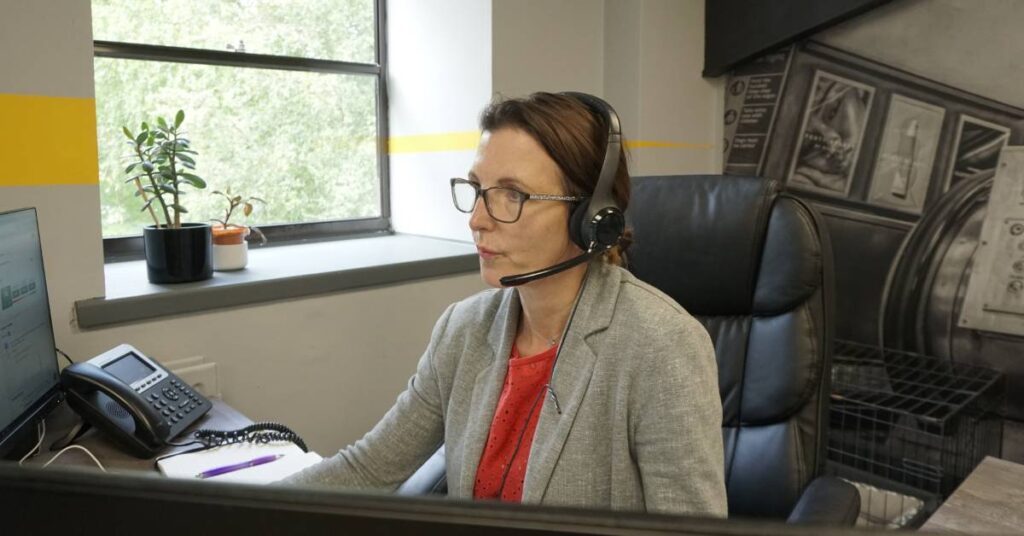
You don’t have to choose between using AI and working with a CRM consultant. In fact, combining the two can make your selection process more effective.
- Step 1: Start with your business, not the software.
- Step 2: Use AI to support your research.
- Step 3: Bring in human CRM expertise.
- Step 4: Validate before you commit.
This approach allows you to benefit from AI’s speed without relying on it to make a decision it doesn’t have the full context to make.
So, can AI become your new CRM consultant?
AI is changing how businesses research software, and there’s no reason not to use it as part of your CRM selection process. It can help you compare platforms, understand unfamiliar terminology and identify potential solutions far more quickly than starting from scratch.
AI can help you explore the options. Your in-house team can explain how your business works. An experienced CRM consultant can bring those two perspectives together, using their knowledge of the market and real-world implementations to help you make an informed decision.
The question isn’t whether AI can recommend a CRM. It’s whether you have enough information to know if that recommendation is right for your business. And when a CRM decision can affect your people, processes and growth for years to come, that’s not something we’d leave to AI alone.
Looking for the right CRM for your business?
At enable.services, we help businesses assess their requirements, compare CRM platforms and find solutions that fit their people, processes, budgets and future plans.
We’re an independent CRM consultancy, so our approach starts with understanding your business rather than pushing a particular product. Whether you’re choosing your first CRM, replacing an existing system or exploring alternatives to a platform that no longer meets your needs, we can help you understand your options.
Book a no-obligation discovery call to discuss your CRM requirements with our team.